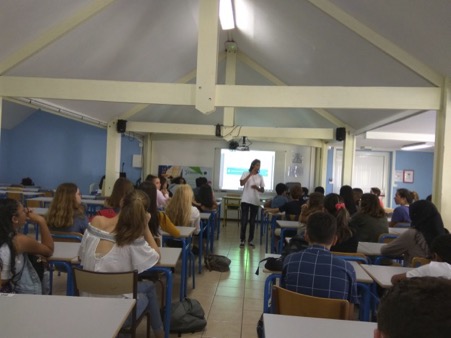
Since 2017, SAF Océan Indien has been active in high schools, raising awareness among students old enough to grasp a clear message about alcohol abstinence during pregnancy.
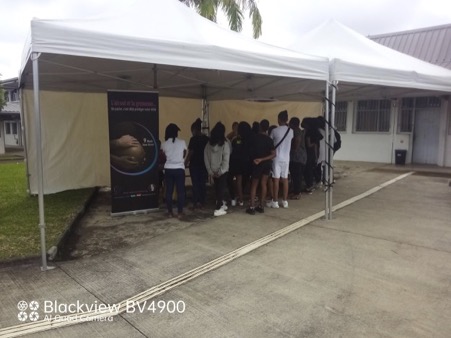
While we used to conduct sessions class by class (though with insufficient resources to reach every student), we now participate in day-long health forums—organized alongside partners addressing sexual health, addiction, and violence—held in school courtyards, classrooms, and common areas.
We offer our expertise to support these forums, working closely with the school nurse (always with the principal’s authorization) and with the approval of the regional education authority.
Sometimes, we simply partner with a forum that the high school has already organized.
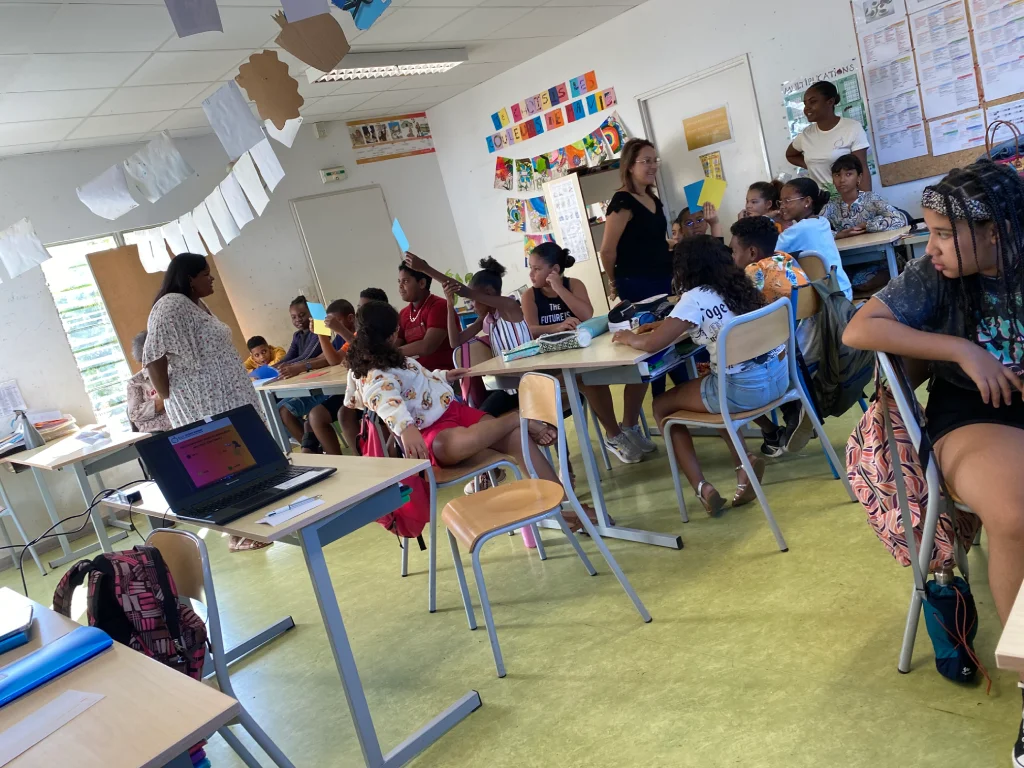
A team comprising a facilitator, a student performing civic service, and an association volunteer staffs a booth featuring our promotional materials (banners, flyers, and giveaways). We also conduct classroom awareness sessions involving brainstorming and a quiz to reinforce key messages, followed by an open discussion on the issue.
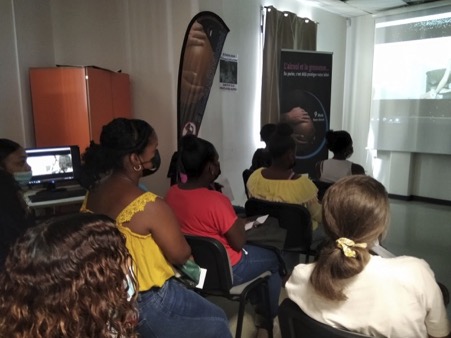
We leave behind posters and leaflets for the school and the nurse. These sessions typically last around 50 minutes; however, we can also screen a 50-minute film (directed by Laure Gratias and produced by France 2), for instance, as a continuous showing.
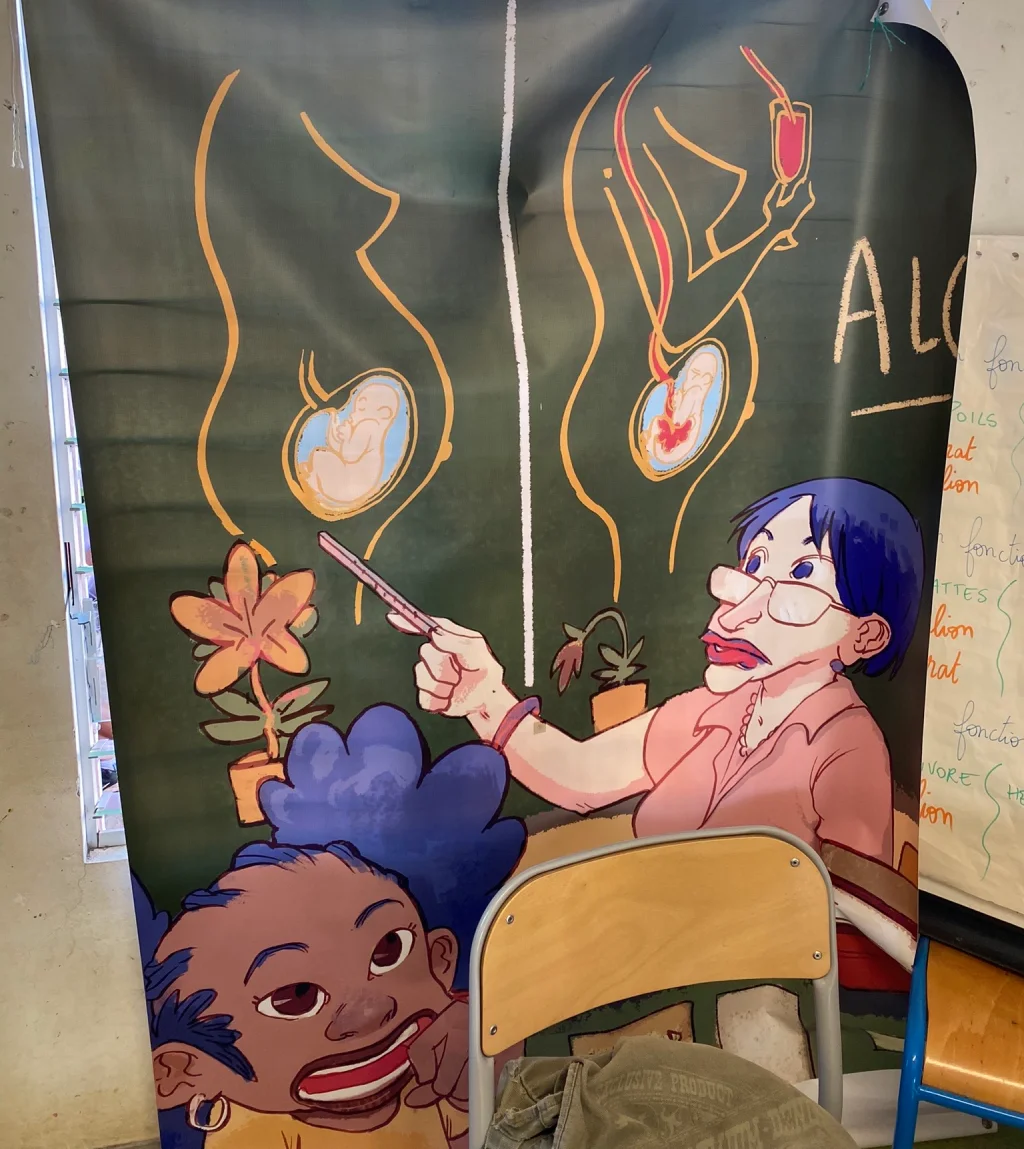
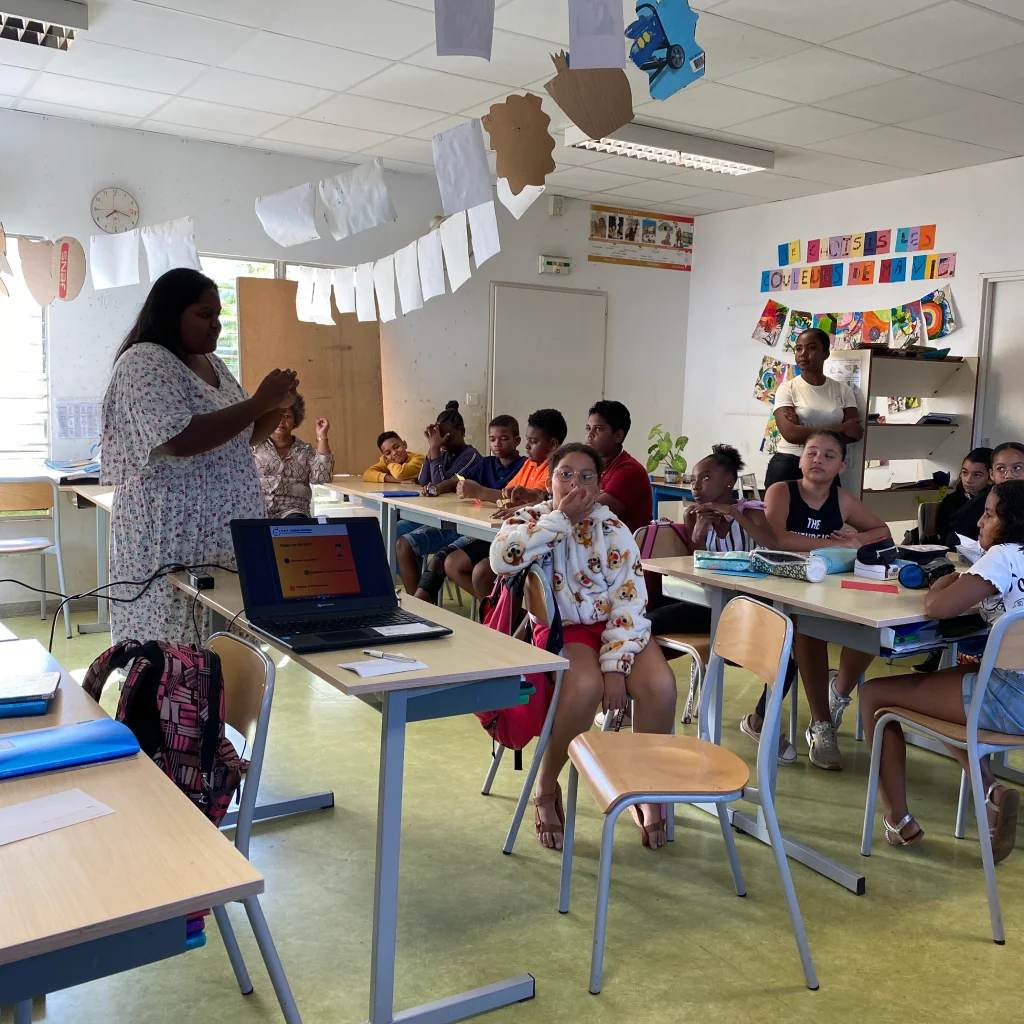
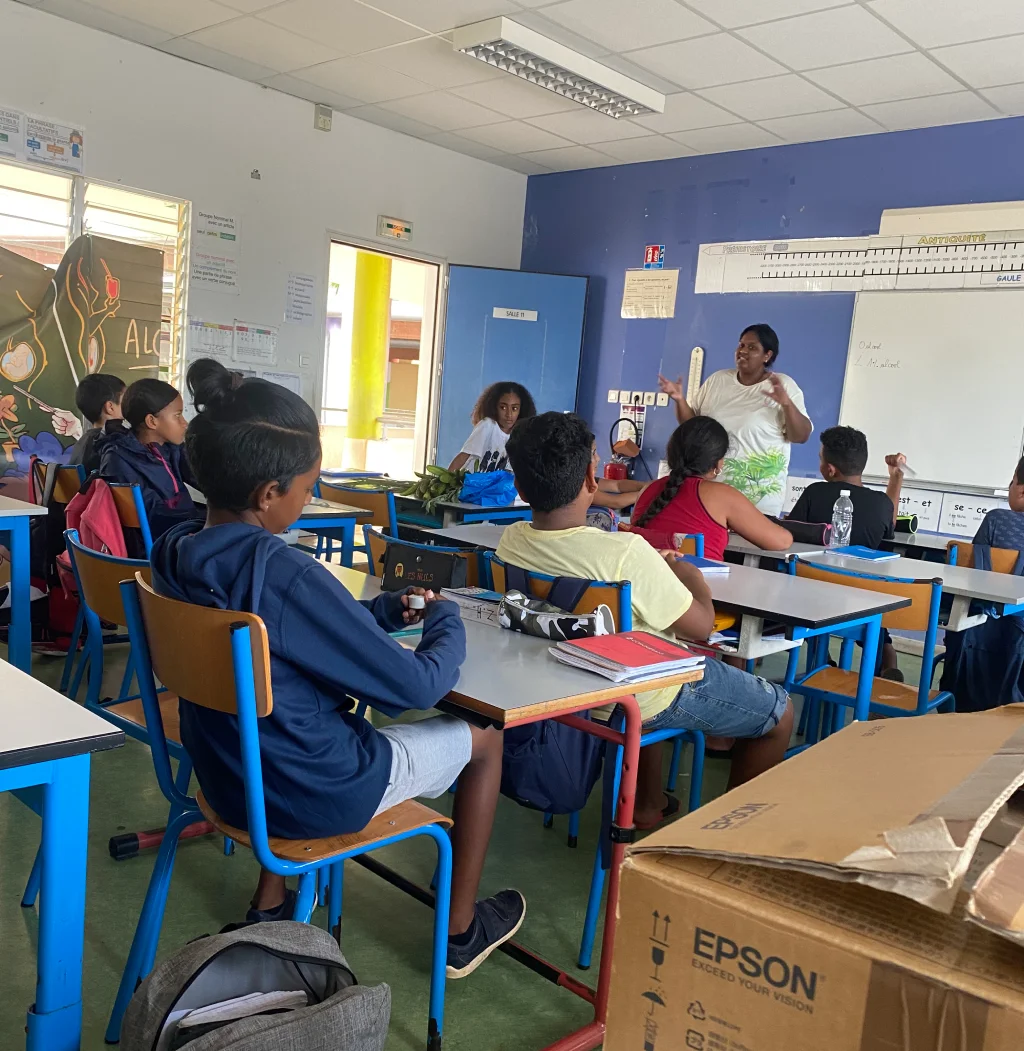
We aim to raise awareness among 10- to 11-year-olds (equivalent to the final year of primary school) about the dangers of alcohol consumption during pregnancy. We use a storybook (created by our former association, Réunisaf) while awaiting the development of a new educational tool.
The story draws a parallel between flowers maliciously exposed to alcohol and a child in the womb, explaining that the substance’s toxicity can cause malformations or even death.
It is narrated in Creole—with the teacher’s support—over a 50-minute session, allowing time to address any questions that may arise.
The children take the book home to share with their families, and the association’s contact details are provided so that parents or caregivers can reach out with inquiries.
We have received positive feedback from both teachers and children.